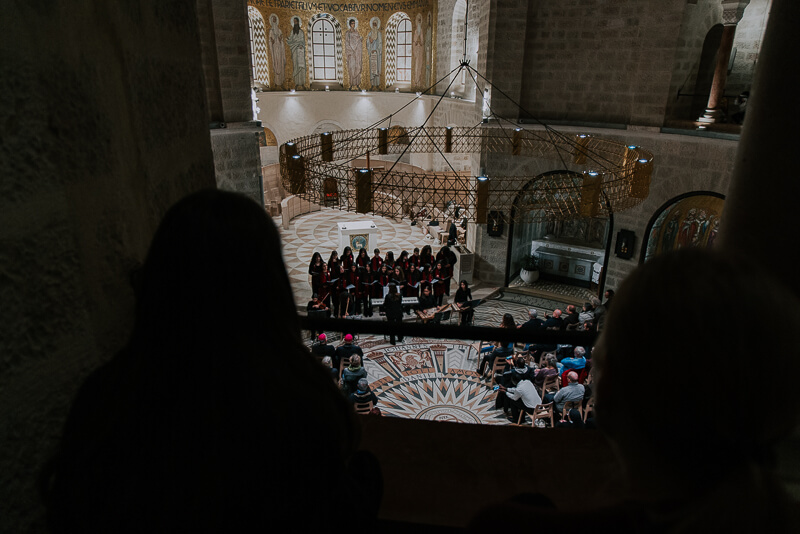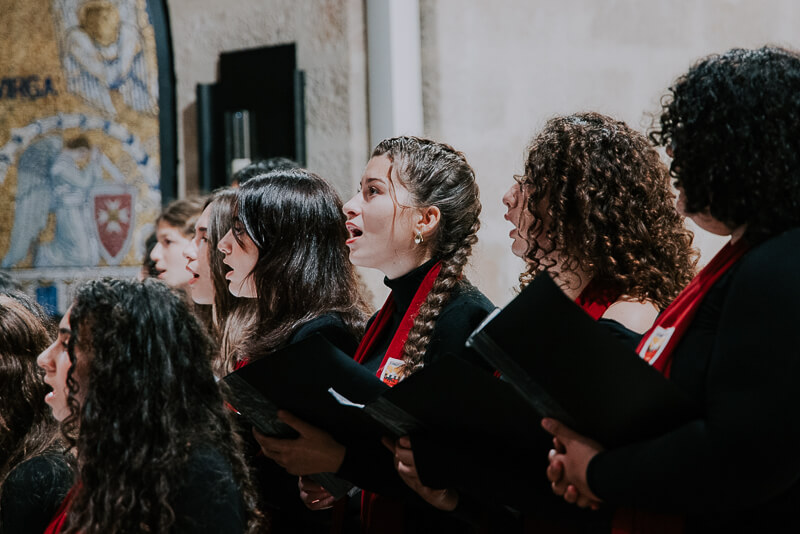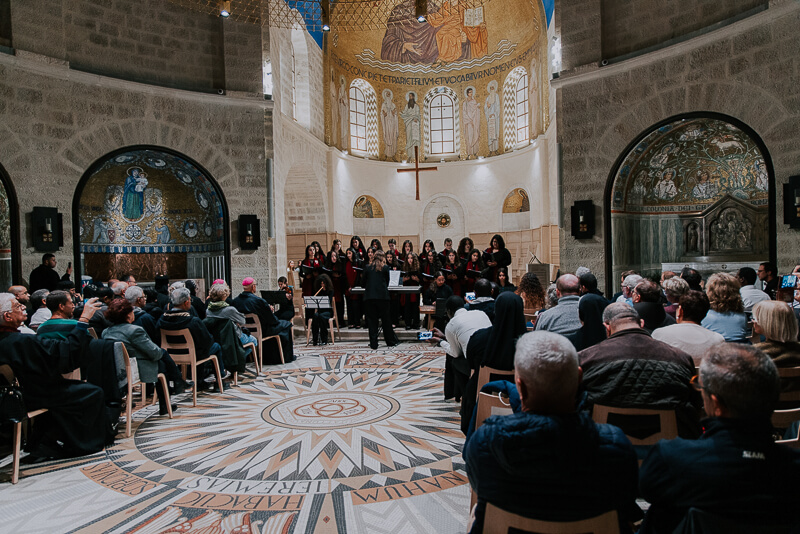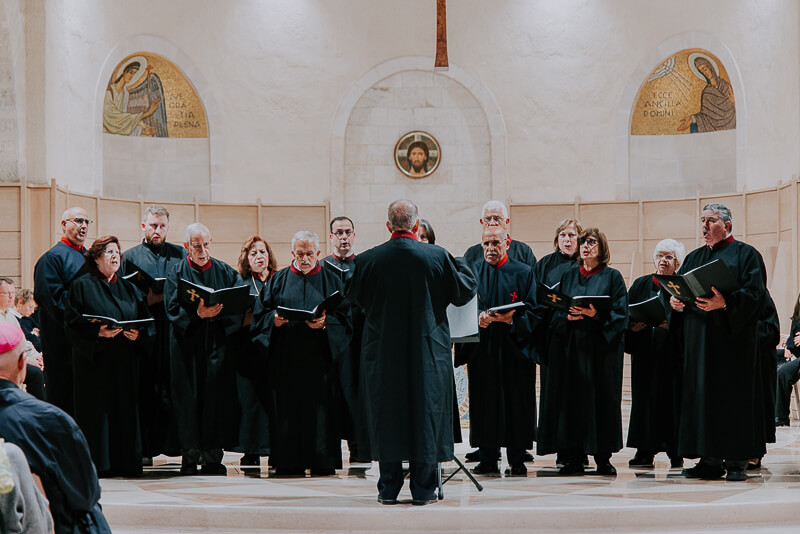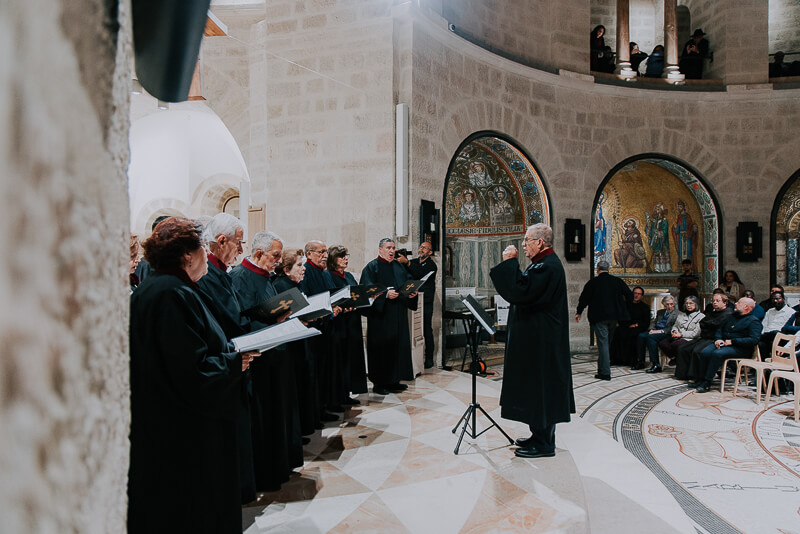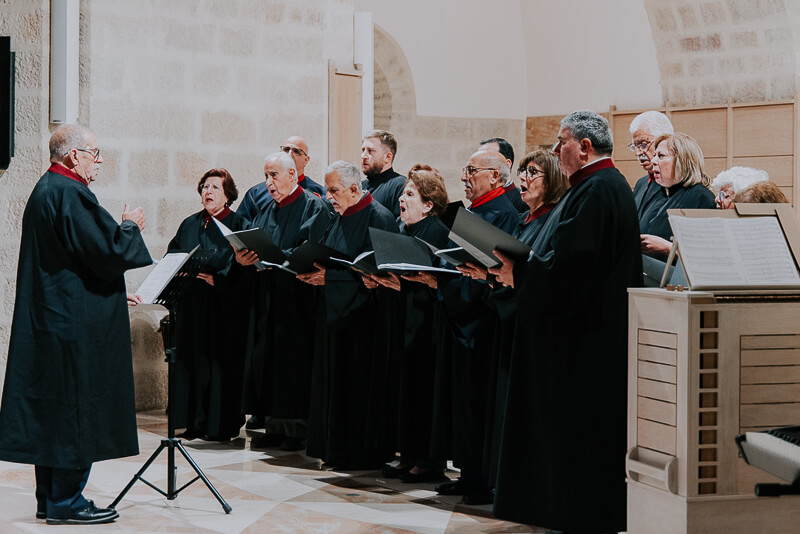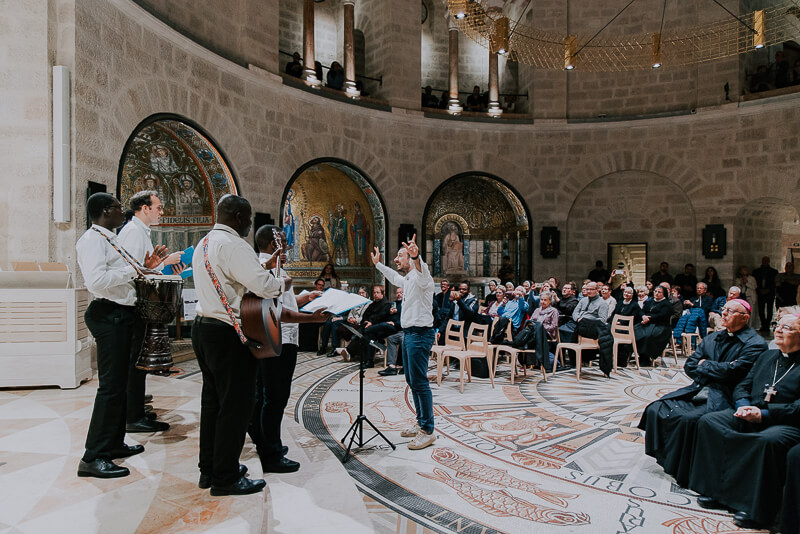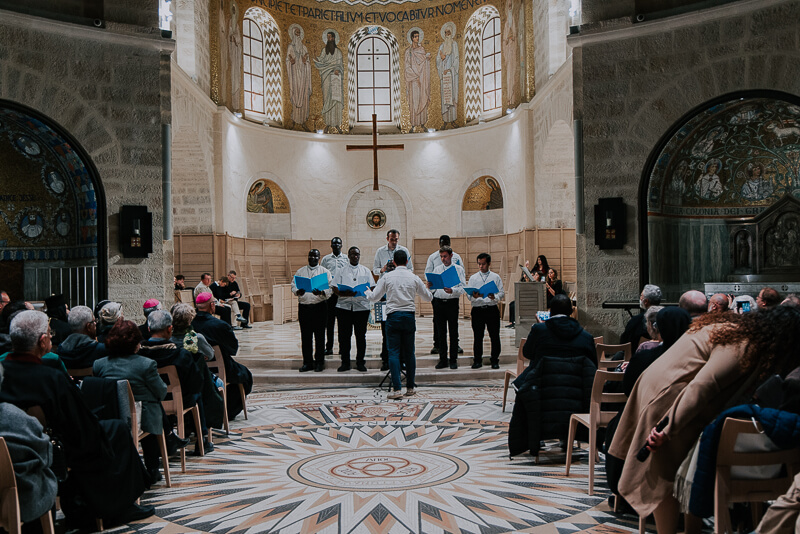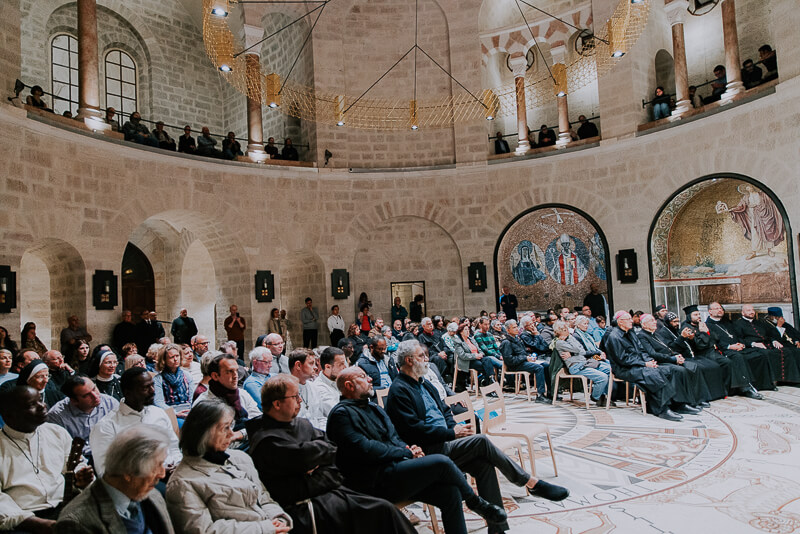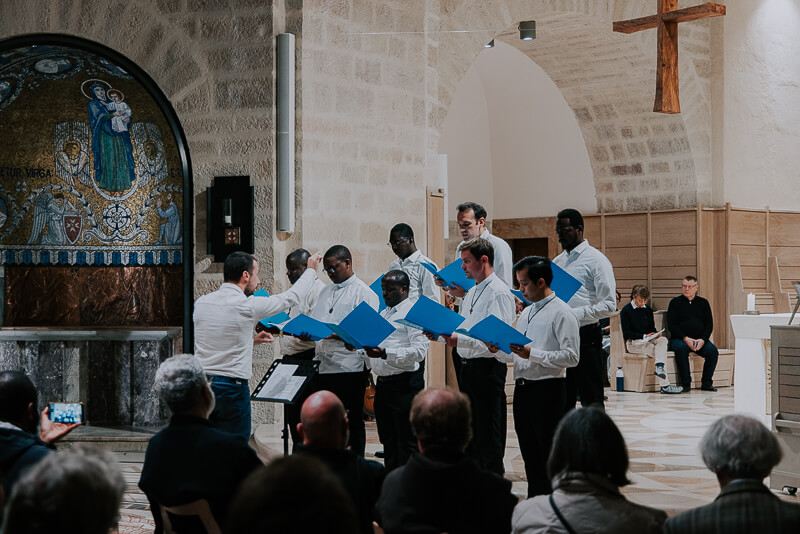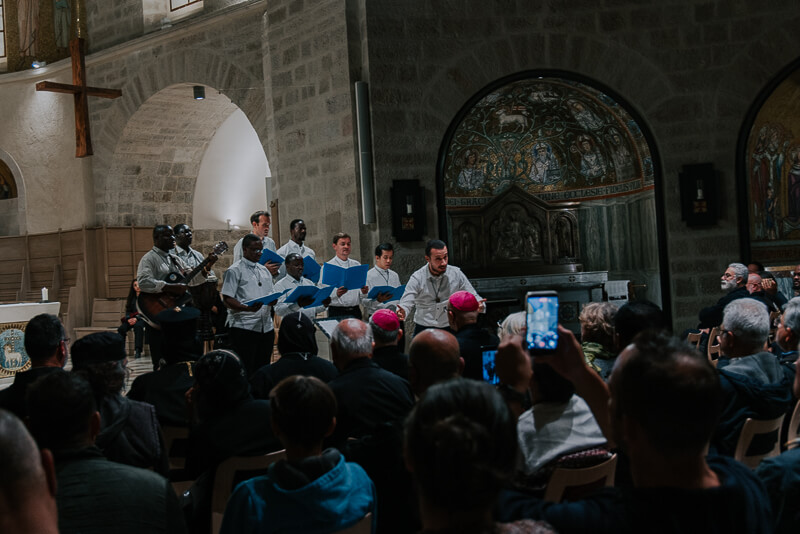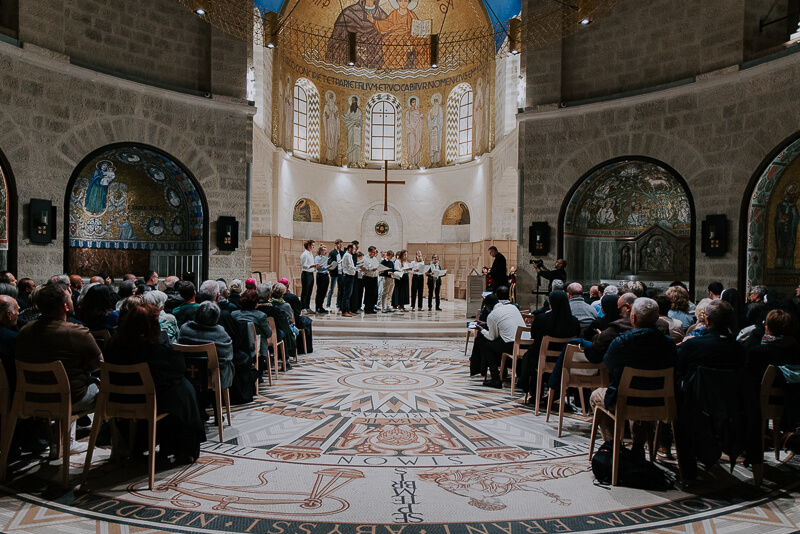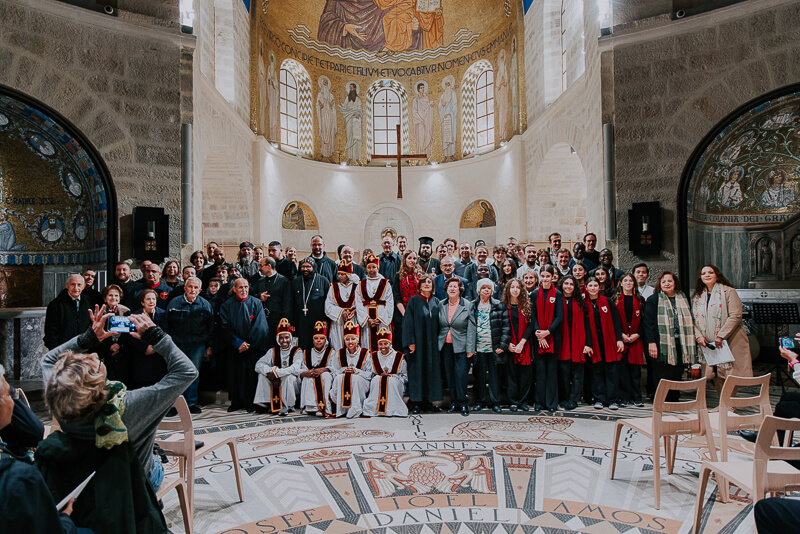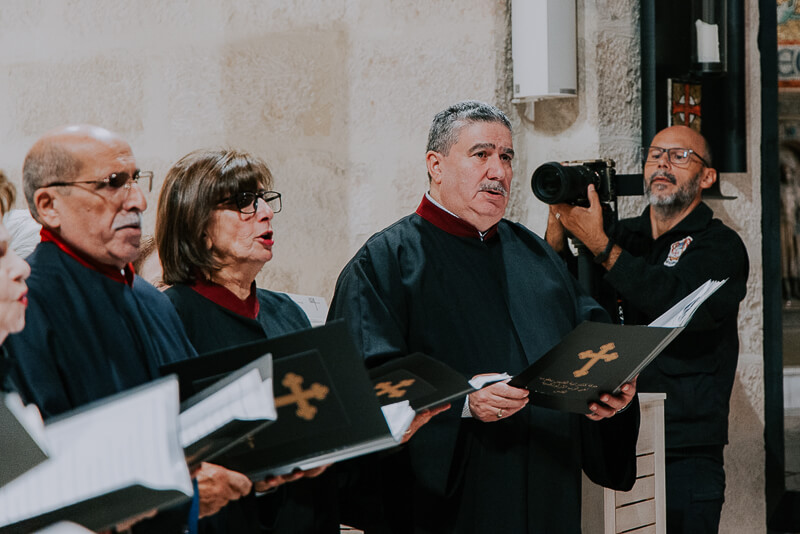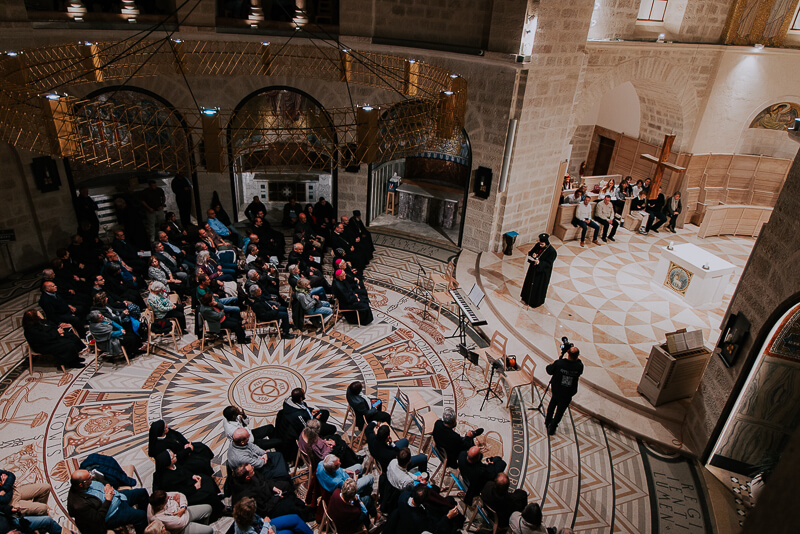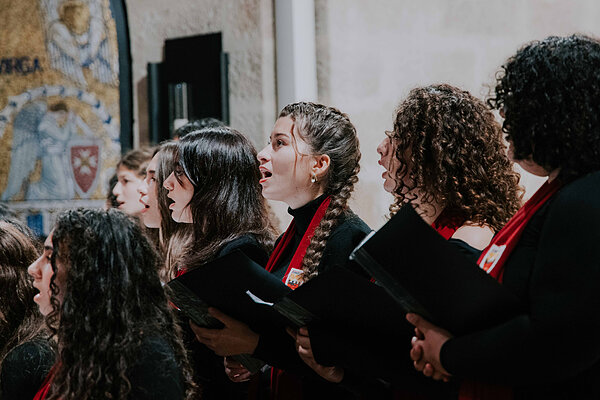
JERUSALEM, November 8, 2026 - Six choirs representing different Christian traditions in Jerusalem came together on Sunday evening for the second annual inter-church concert at Dormition Abbey on Mount Zion, bringing centuries of sacred music into one of the city's most recognizable churches.
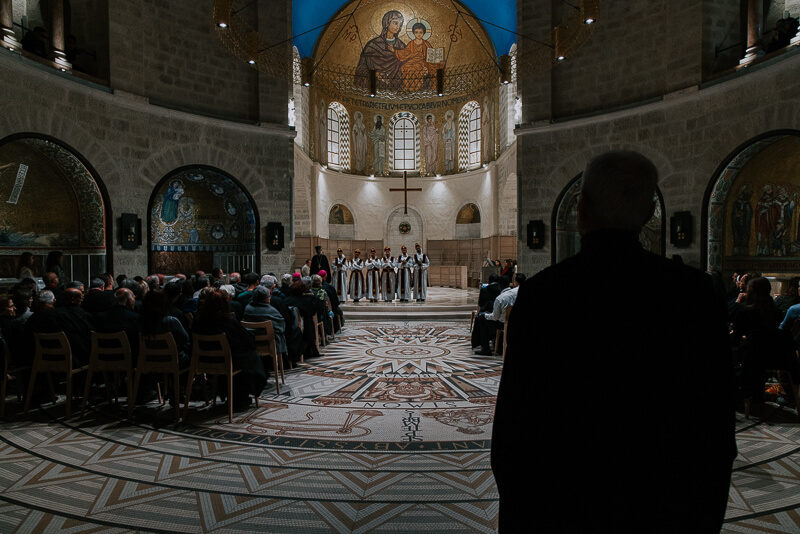
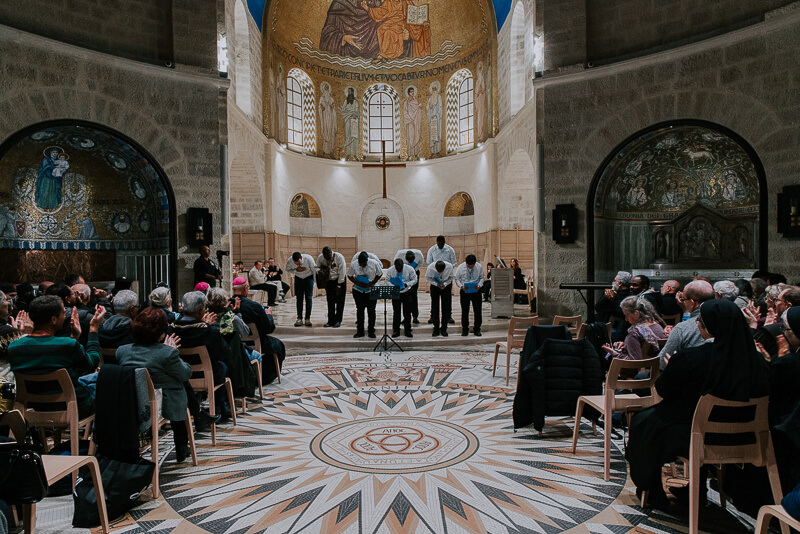
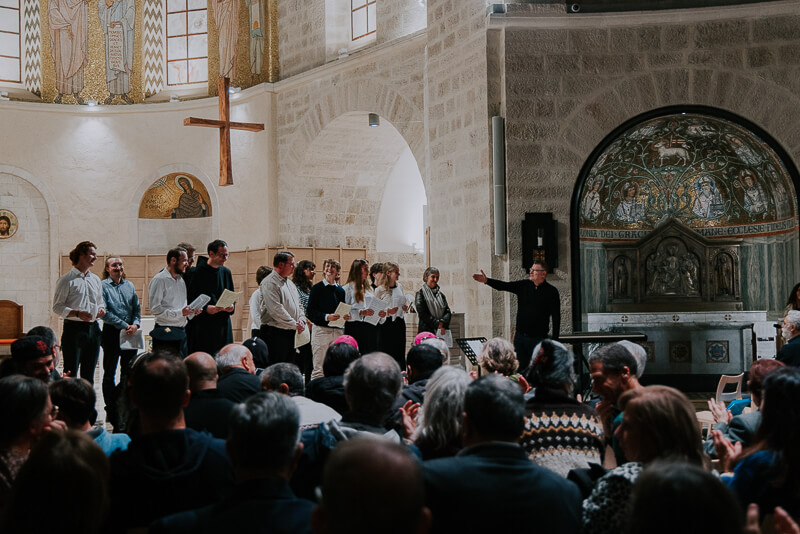
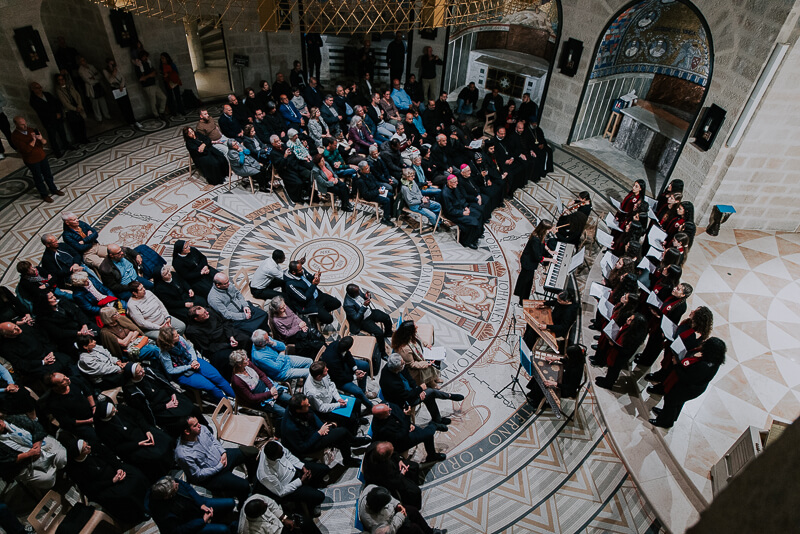
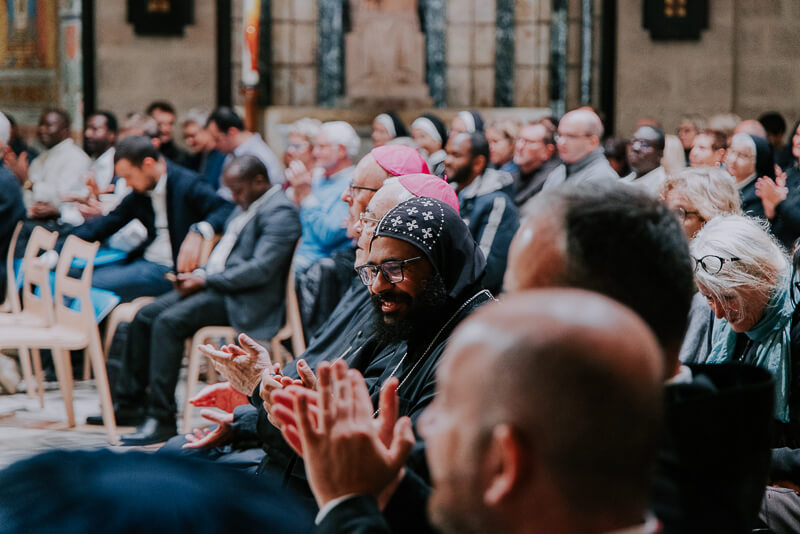
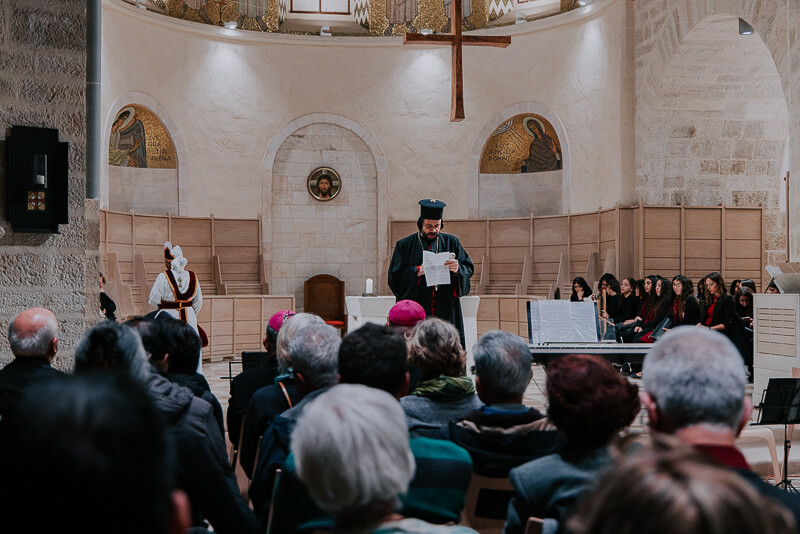
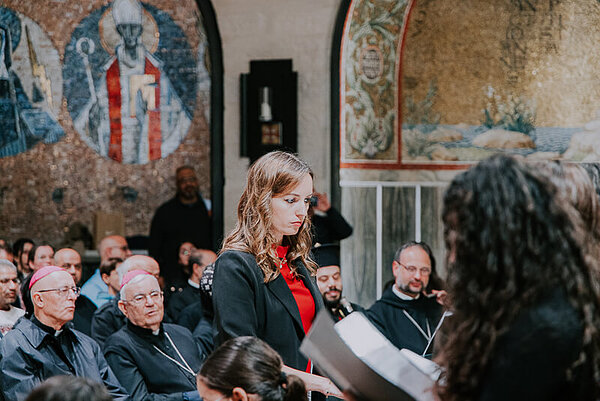
More than 200 people, in addition to the performers, gathered beneath the abbey church's distinctive red dome, filling the main floor and upper gallery. The programme featured music in Arabic, German, Coptic, Ge’ez, Greek, Latin and English, reflecting the linguistic and liturgical diversity of Jerusalem's Christian communities.
The setting carried particular significance. Dormition Abbey stands a short distance from the Cenacle, traditionally associated with the Last Supper and the first Pentecost, when, according to the Acts of the Apostles, people from different nations heard the apostles speaking in their own languages. On Sunday evening, that diversity of languages found a contemporary expression through music.
The concert was organized for the second consecutive year by the Ecumenical Commission of the Assembly of Catholic Ordinaries of the Holy Land, with the participation of staff members from Tantur Ecumenical Institute, who serve on the commission. The Benedictine community of Dormition Abbey hosted the event, with the support of the Pontifical Mission.
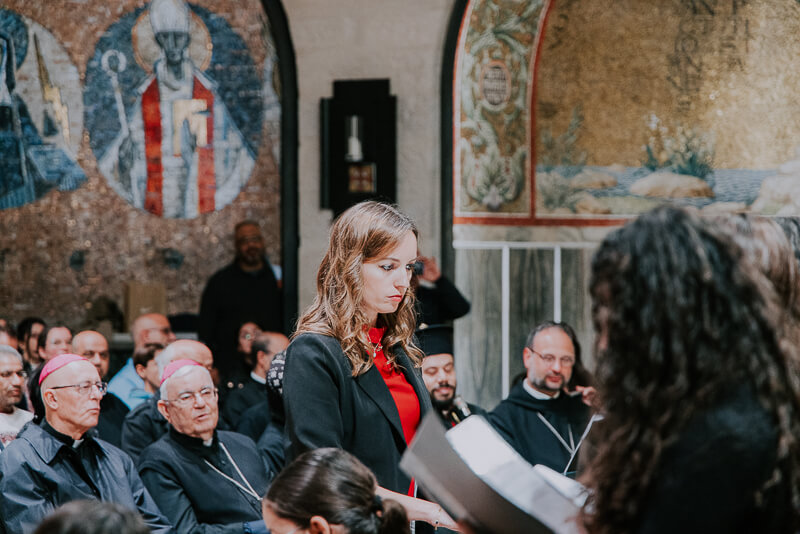
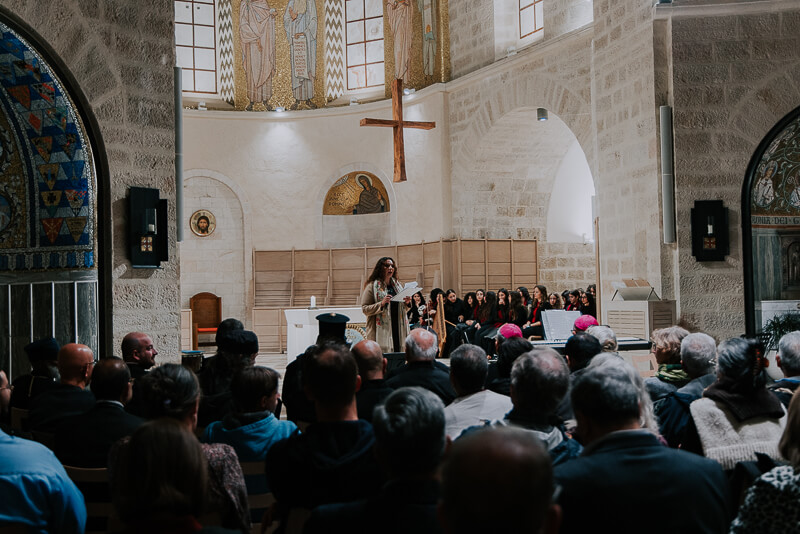
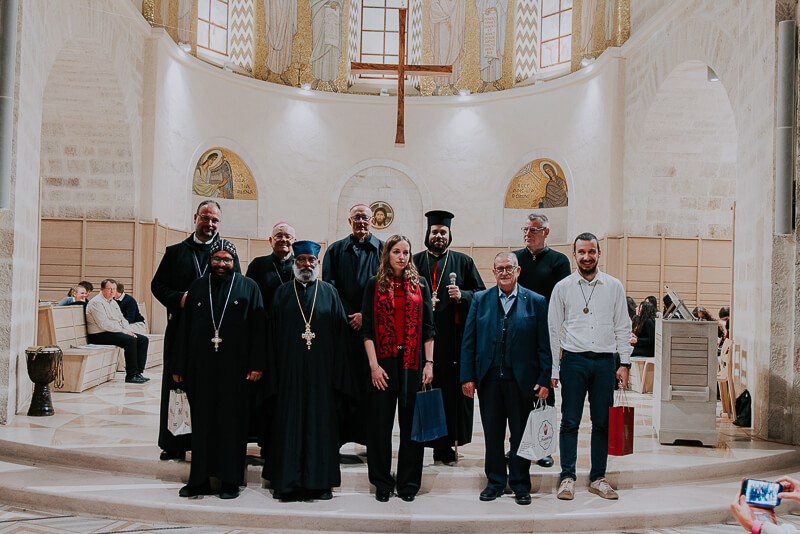
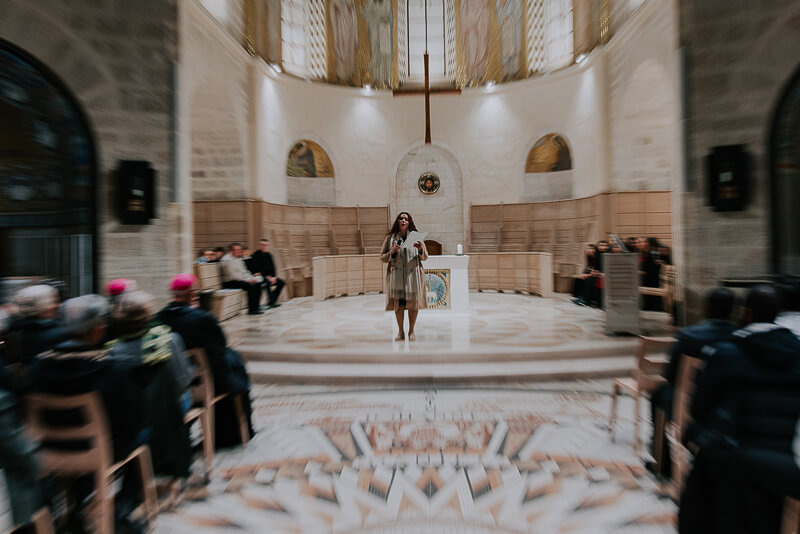
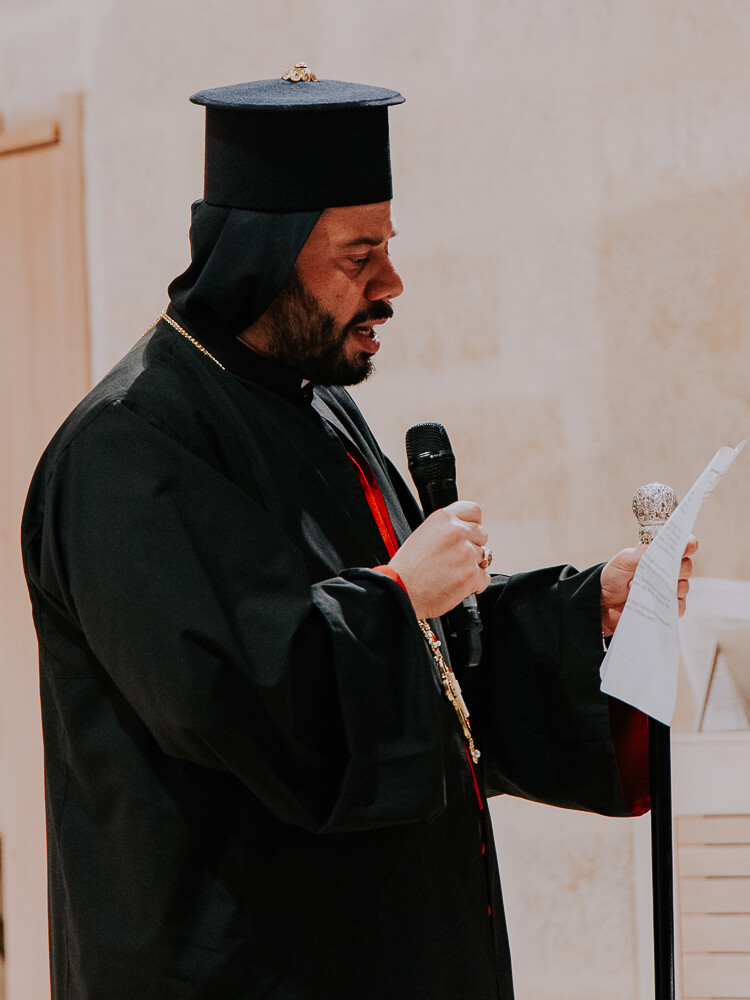
Fr. Nikodemus, Abbot of Dormition Abbey, welcomed the gathering, followed by an address from Msgr. Ephrem of the Syriac Catholic Patriarchate. Maral Kiryakos served as moderator, introducing the choirs and guiding the audience through the evening's programme.
Among those attending were Archbishop Giorgio Lingua, Apostolic Nuncio and Apostolic Delegate to Jerusalem and Palestine, and Bishop Giacinto-Boulos Marcuzzo, alongside representatives of several of Jerusalem's Churches, including the Coptic Orthodox, Maronite and Ethiopian communities.
From the Rahbani Brothers to Byzantine Chant
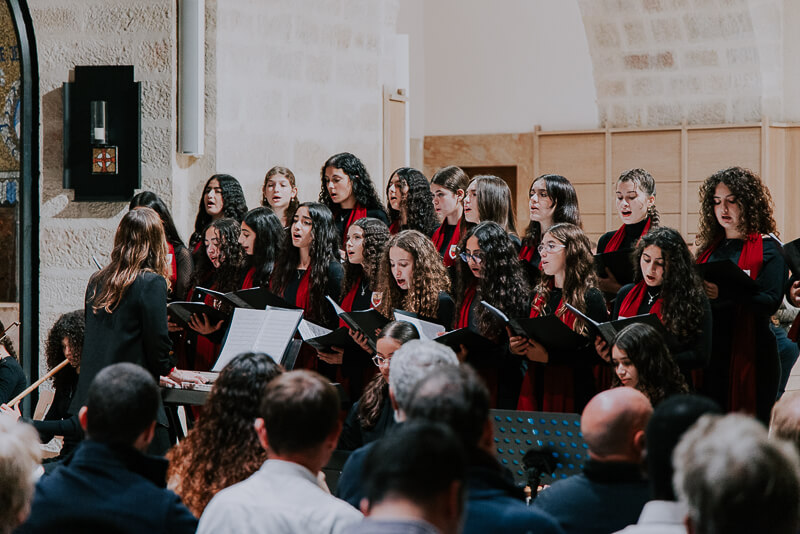
The evening opened with the Schmidt Girls’ Choir, conducted by Mirjam Younan, performing Omen (I Believe) by the Rahbani Brothers and Unadika Rabi Istajeb by Joseph Fakhouri.
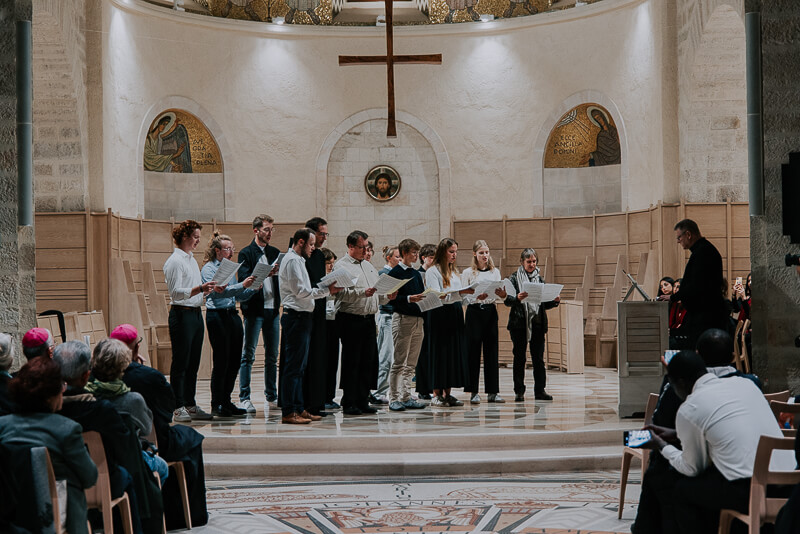
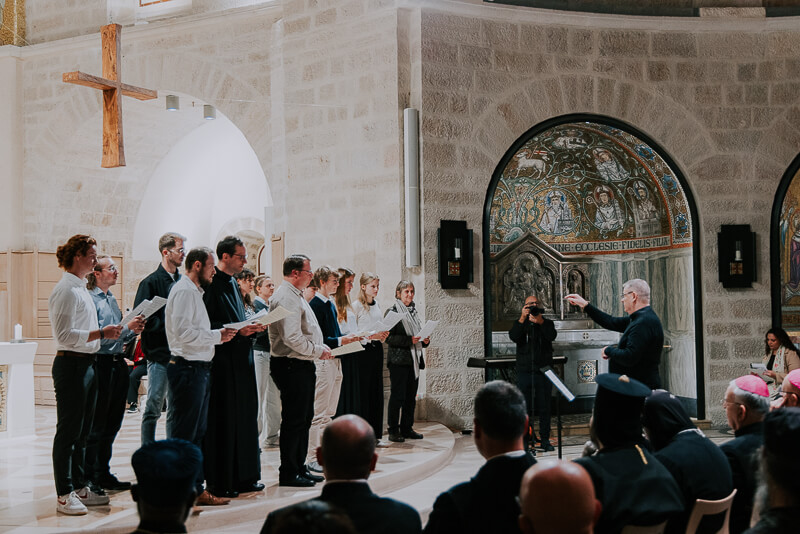
The Ecumenical Choir of the Lutheran Church of the Redeemer, directed by Micha Seifried, followed with a repertoire spanning several centuries of European sacred music. The choir performed Heiligung by Louis Lewandowski, Verleih uns Frieden by Felix Mendelssohn Bartholdy, Lobe den Herrn by Hugo Distler, and the medieval Venite a Laudare from the Laudario di Cortona.
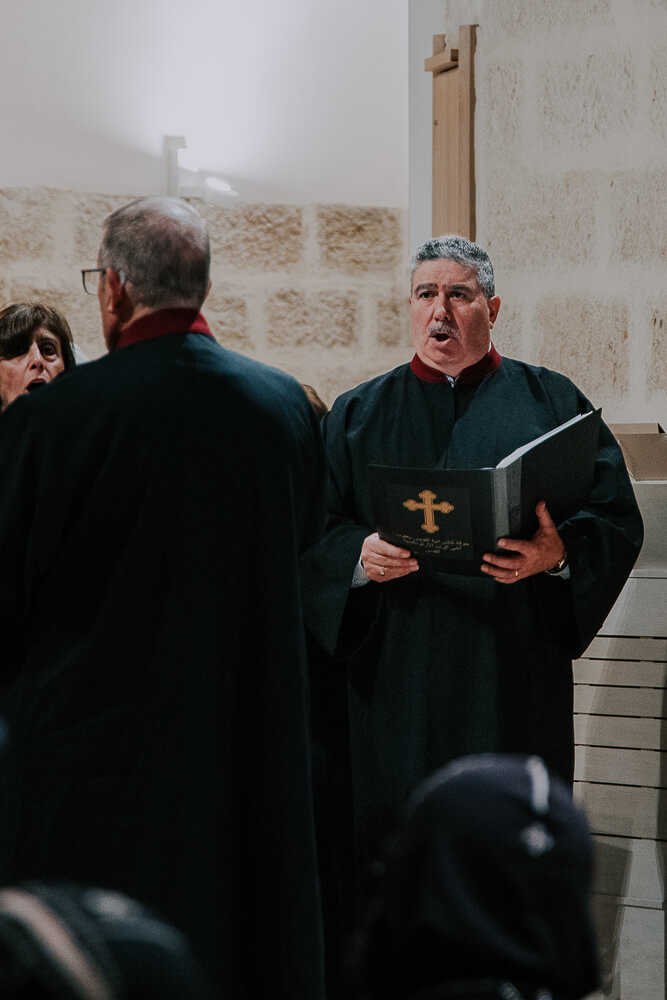
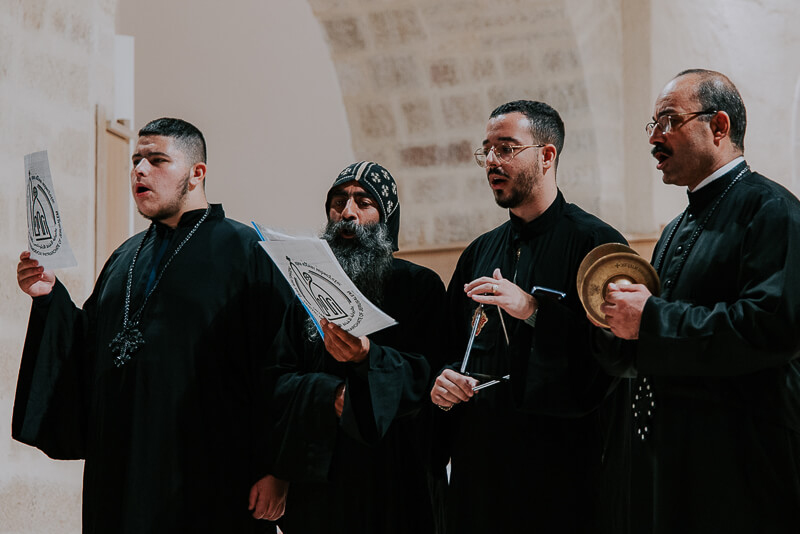
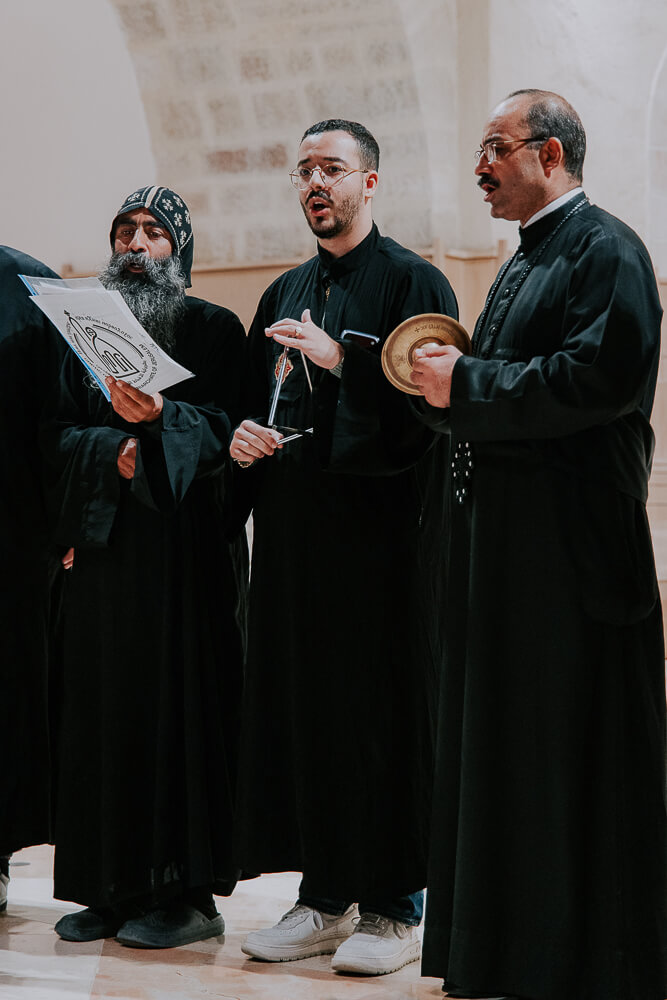
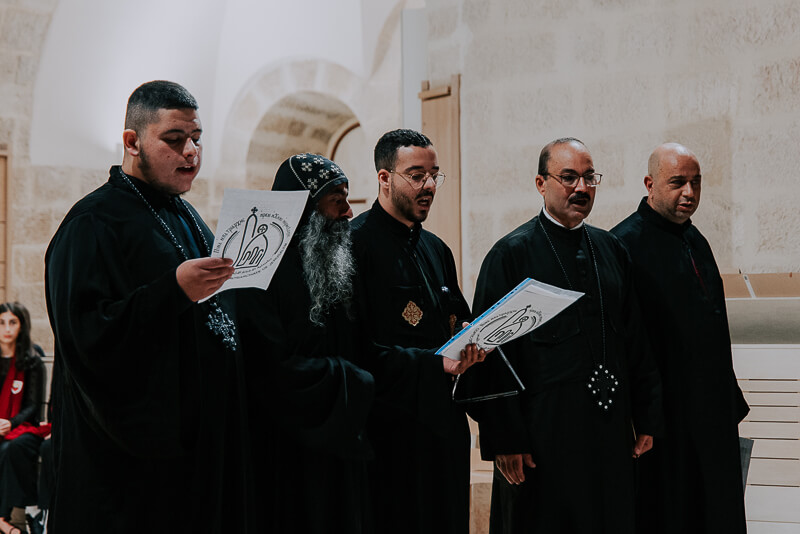
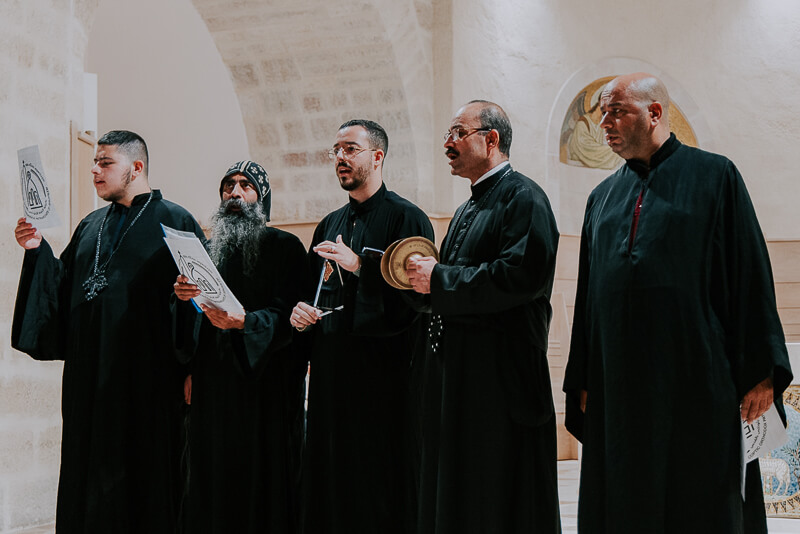
The Coptic Choir introduced the audience to the liturgical music of the Coptic Church, whose chant tradition has been transmitted through generations and remains central to its worship today.
The Salesian-Ratisbonne Choir, made up of young Salesians of Don Bosco from different countries studying theology in Jerusalem, presented three pieces tracing the development of Western Christian music. Their programme moved from the Gregorian antiphon Ubi Caritas et Amor to the traditional English-language hymn Jerusalem, My Happy Home, before concluding with a contemporary Salesian liturgical song that invited the audience to sing along.
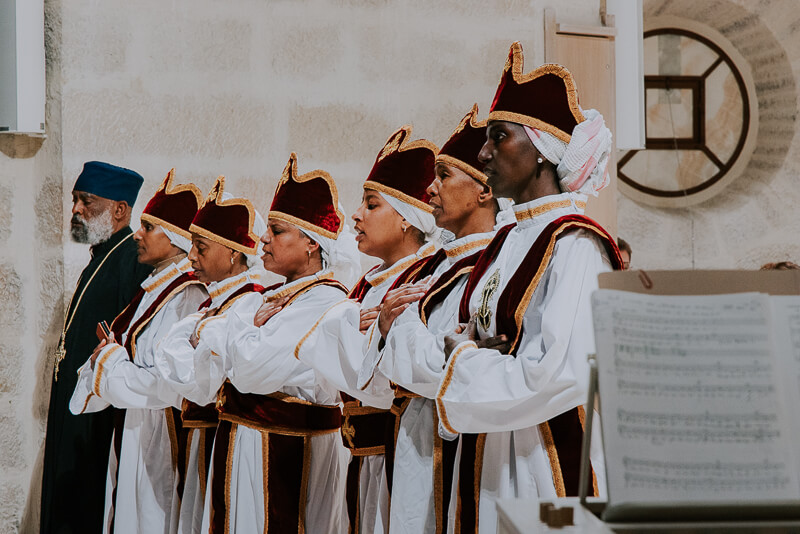
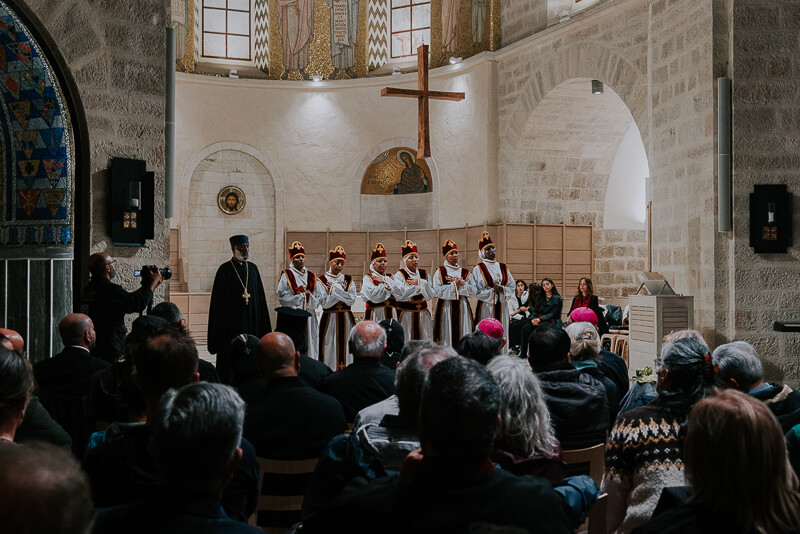
The Ethiopian Women’s Choir brought the distinctive musical tradition of the Ethiopian Church, adding another dimension to the evening's range of Christian liturgical expressions.
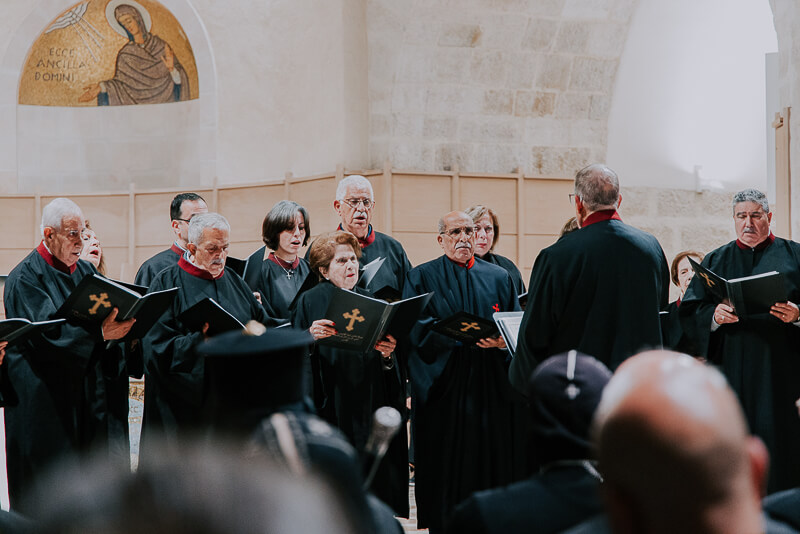
The programme concluded with the St. Jacob’s Greek Orthodox Choir, presenting Byzantine chant, a tradition deeply rooted in the worship and religious history of Jerusalem.
Together, the six performances offered an overview of Christian musical traditions that have developed across different regions, languages and historical periods, yet continue to coexist in the Holy City.
An Evening of Encounter
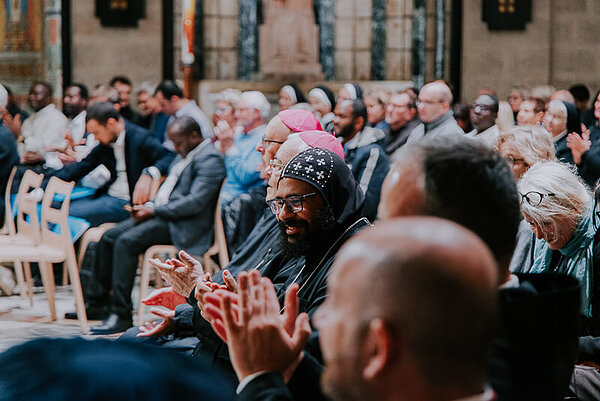
Beyond the performances, the concert provided an opportunity for members of Jerusalem's Christian communities to meet outside their usual ecclesiastical settings. Following the final performance, singers, clergy and guests gathered for a reception, continuing conversations that the evening's music had helped initiate.
Although Jerusalem is home to a remarkable concentration of Christian denominations, opportunities for their members to gather across ecclesiastical boundaries remain particularly meaningful. Differences in language, liturgy and historical experience are visible throughout the city's Christian life, making events such as this concert an occasion to recognize both the distinctions and the connections among its Churches.
Now in its second year, the concert is becoming a recurring initiative of the Ecumenical Commission, bringing together communities whose musical traditions are often heard primarily within their own places of worship.
For Tantur Ecumenical Institute, participation in the organization of the concert forms part of its ongoing commitment to Christian unity and dialogue. Through its staff's involvement in the Ecumenical Commission, the Institute contributes to initiatives that encourage cooperation, mutual understanding and personal relationships among Jerusalem's Churches.
The organizers expressed their sincere appreciation to the Pontifical Mission for its generous support and valuable contribution to the event, and thanked the Benedictine community of Dormition Abbey for its hospitality, as well as the participating choirs, volunteers and all those involved in bringing the concert together.
The Evening in Pictures
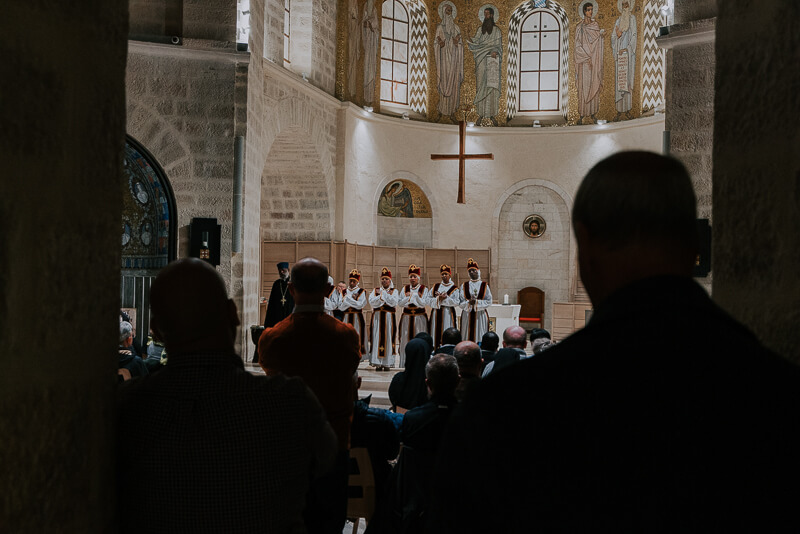
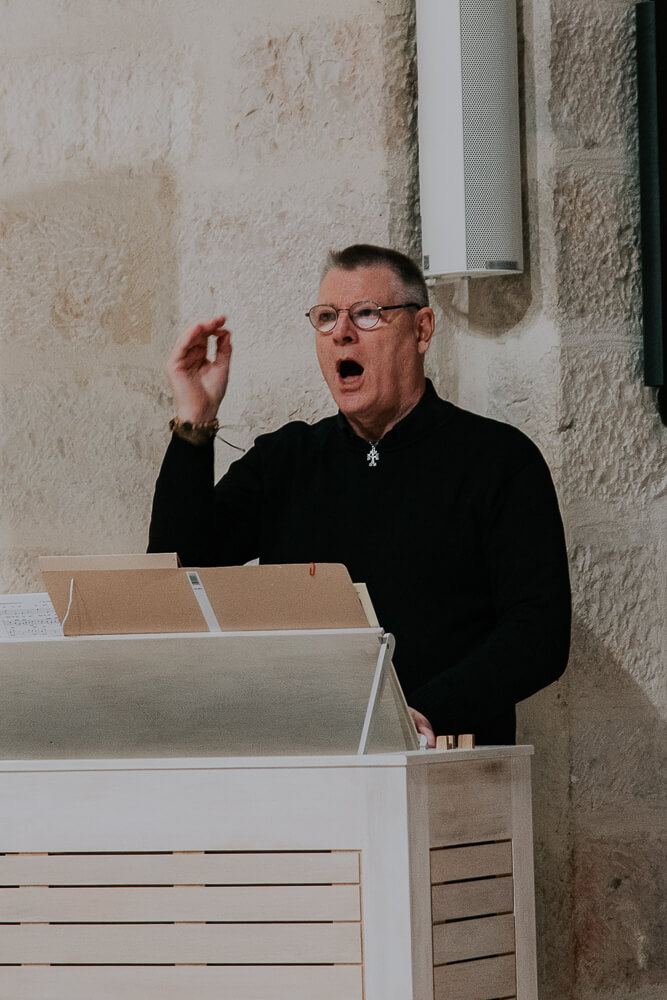
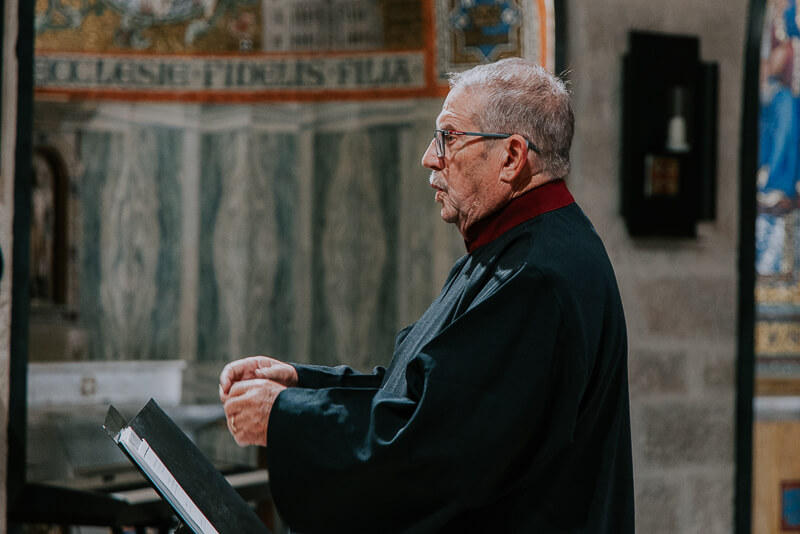
A glimpse into an evening of sacred music, shared traditions, and Christian fellowship at Dormition Abbey, bringing together six choirs from Jerusalem’s diverse Christian communities.